

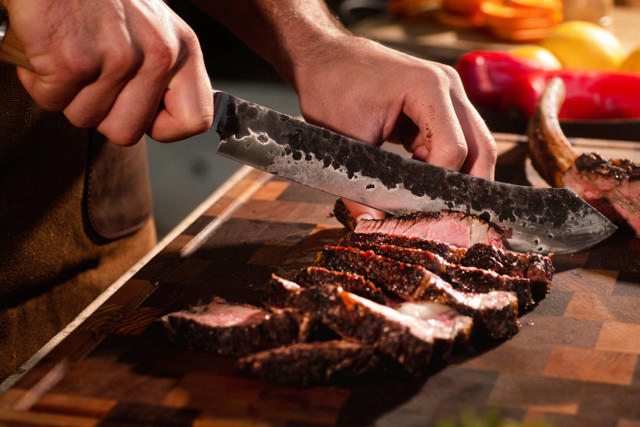
Tips for cutting for the perfect BBQ
| Prep-time | Bake-time | Servings | Difficulty |
|---|---|---|---|
| - | - | - |
Method
Hey BBQ lovers!
The way you cut meat is not just a technical step — it’s a process that directly affects flavor, juiciness, tenderness, and ultimately the final result on the plate.
Behind every perfectly grilled piece of meat lies a crucial moment: the carving stage. This is where preparation and precision meet the fire that came before.
The BBQ experience doesn’t end when the meat comes off the grill, it continues in how it is handled right after. With the right cut, texture is revealed, juices are balanced, and flavor reaches its final expression.
Here are some key principles that make all the difference in the details.
Always cut against the grain
The direction of the cut is essential. Slicing against the fibers results in a more tender texture and a more balanced bite.
Let the meat rest before cutting
After grilling, allow the meat to rest for 5–10 minutes. The juices redistribute throughout the structure, preserving its natural juiciness and intensity.
Use a sharp knife
A sharp knife doesn’t just cut — it respects the meat. It preserves texture, protects the juices, and enhances the flavor.
Thickness matters
Slice thickness plays a key role in steak. Thicker cuts deliver greater flavor intensity, better juice retention, and a richer, more “alive” texture in every bite.
Respect the cut of meat
Ribeye, picanha, brisket — these are not just pieces of meat, but different expressions of texture and flavor, each requiring its own approach.
Ribeye is best sliced against the grain into even pieces to keep every bite tender and juicy. Picanha is usually cut in thick slices, following the fat cap to preserve flavor and juiciness. Tomahawk is first separated from the bone, then sliced into thick portions for maximum texture and impact.


